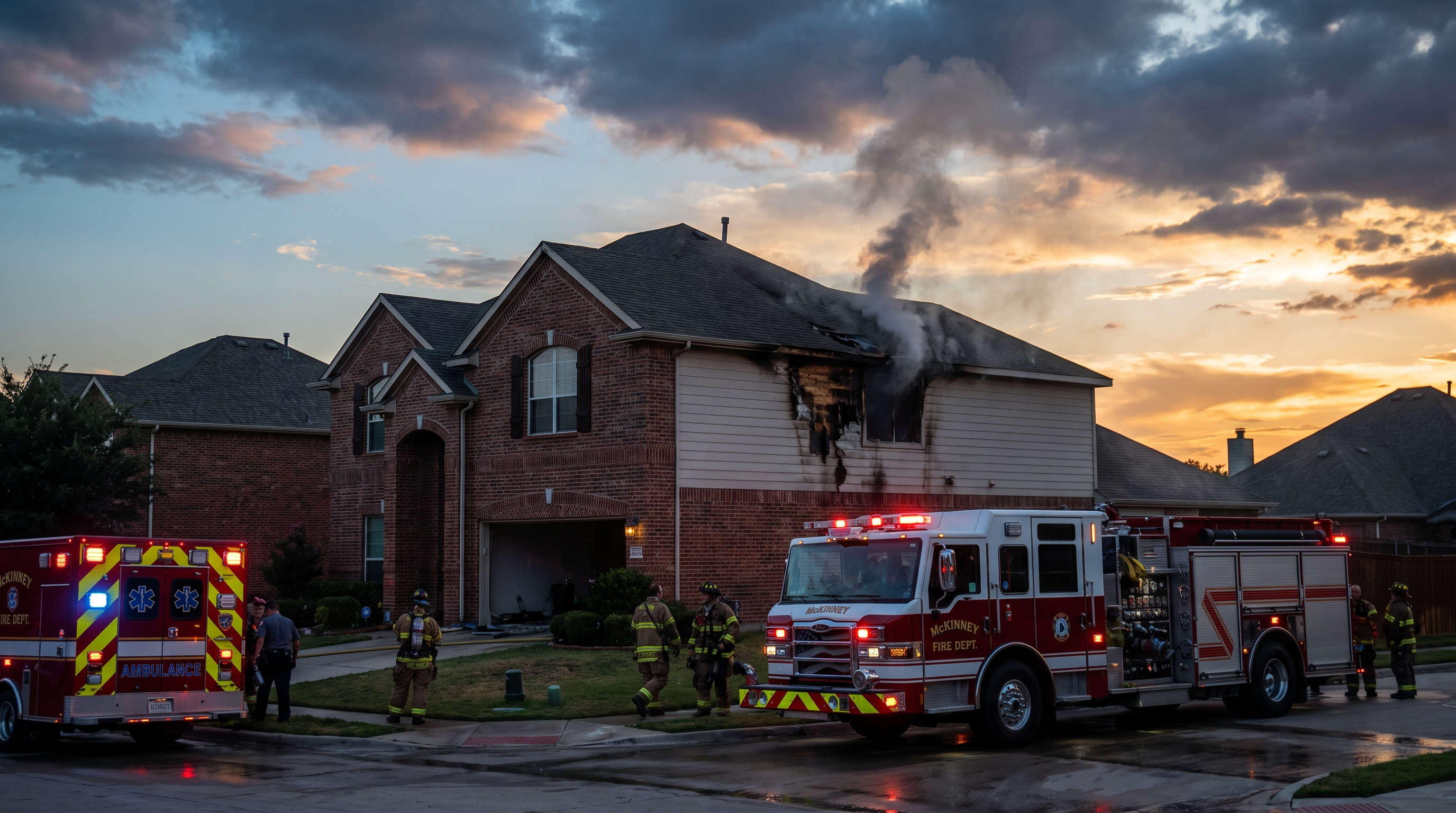
McKinney's Smoke & Soot Cleanup Specialists
Stop Soot Damage Before It Sets In
Acidic soot keeps etching surfaces after the fire is out, so cleanup should start as soon as the home is safe.
McKinney's Smoke & Soot Cleanup Specialists
Acidic soot keeps etching surfaces after the fire is out, so cleanup should start as soon as the home is safe.
Smoke does not stay where the flames started. In McKinney's newer open-plan homes, smoke can travel through kitchen openings, stairwells, attic bypasses, HVAC returns, and gaps around recessed lights before settling as residue in distant rooms.
Soot chemistry changes depending on what burned. Protein residue from kitchen fires can leave a thin, sticky film and strong odor, while synthetic materials create oily soot that bonds to plastics, painted drywall, electronics, and duct interiors. Cleaning the wrong way can smear residue deeper into porous surfaces.
Professional smoke and soot cleanup starts with dry removal, residue testing, material separation, and controlled cleaning methods. Some surfaces can be cleaned and sealed, while others need removal because the odor source is trapped too deeply.
Fast response matters because soot is acidic. Metals can tarnish, stone can stain, plastics can yellow, and paint can absorb residue if cleaning is delayed.
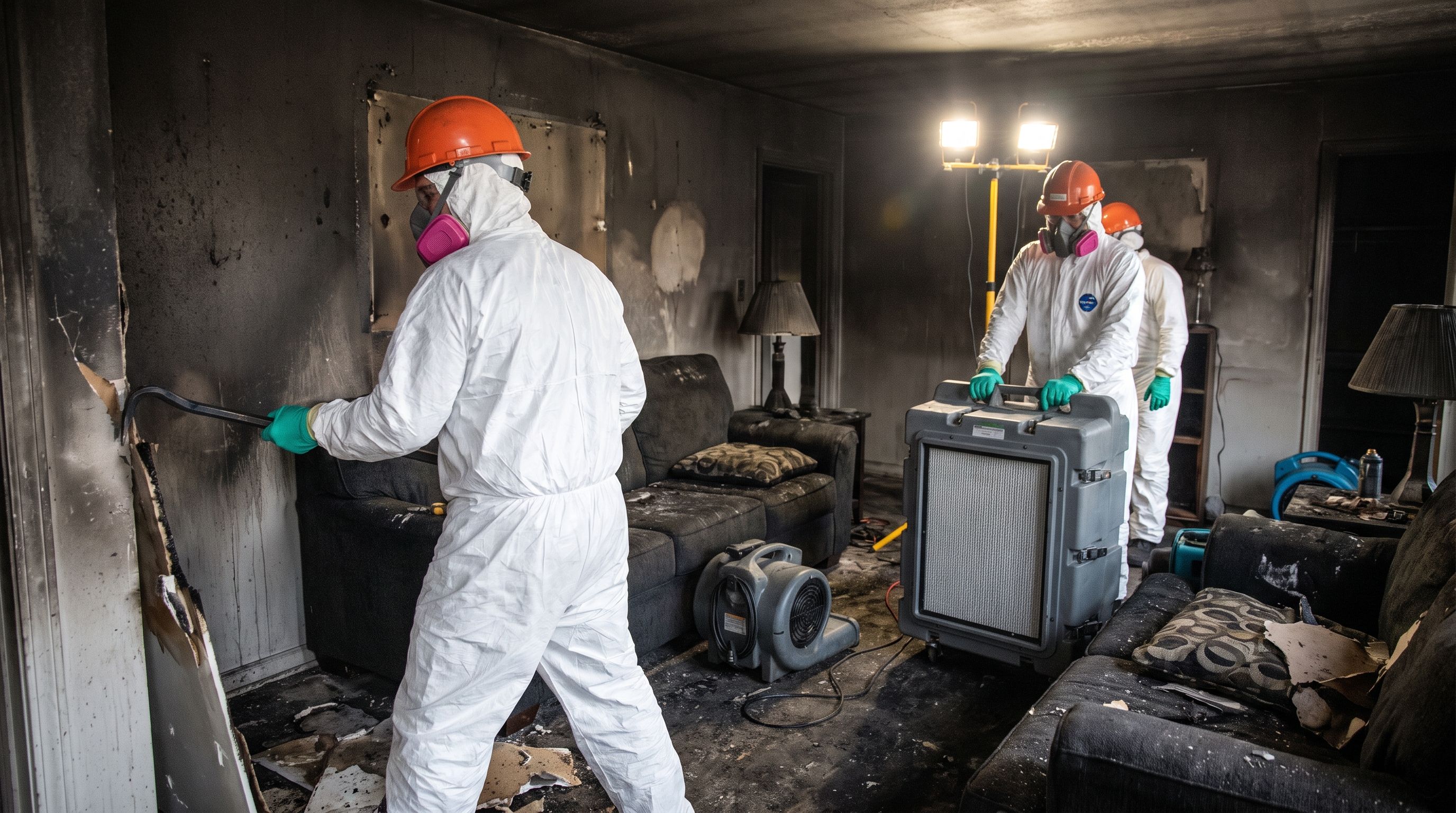
Smoke cleanup combines surface cleaning, air pathway inspection, odor control, and material decisions based on the type of residue present.
Technicians evaluate dry soot, oily soot, protein residue, and mixed debris to choose the right cleaning method. This prevents unnecessary smearing, staining, or damage to finishes.
Walls, ceilings, cabinets, floors, fixtures, ducts, vents, and return areas are checked for residue. HVAC systems often need special attention because smoke can spread throughout the home even after a small fire.
Odor treatment works only after residue and contaminated materials are addressed. Cleanup removes the source load before ozone, hydroxyl, thermal fogging, sealing, or other deodorization methods are used.
Kitchen, electrical, garage, heating equipment, and grill-related fires leave different residues. Matching the method to the residue protects finishes and improves odor removal.
Ductwork, attic spaces, closet interiors, insulation, and soft contents can hold odor even when the visible room looks clean. Those areas are part of the inspection, not an afterthought.

Schedule cleanup before soot causes permanent staining or odor migration.
Free — no obligations
Identify the soot type and affected materials before selecting dry cleaning, wet cleaning, removal, or sealing.
Separate damaged zones from clean areas and protect salvageable materials from cross-contamination.
Remove soot from surfaces, contents, HVAC openings, fixtures, and building materials using methods suited to the residue.
Confirm residue sources have been reduced before deodorization or encapsulation begins.