McKinney's Contents Restoration Specialists
Protect the Belongings Fire Did Not Destroy
Do not discard smoke-damaged items before they are photographed, inventoried, and reviewed for cleaning or claim coverage.
McKinney's Contents Restoration Specialists
Do not discard smoke-damaged items before they are photographed, inventoried, and reviewed for cleaning or claim coverage.
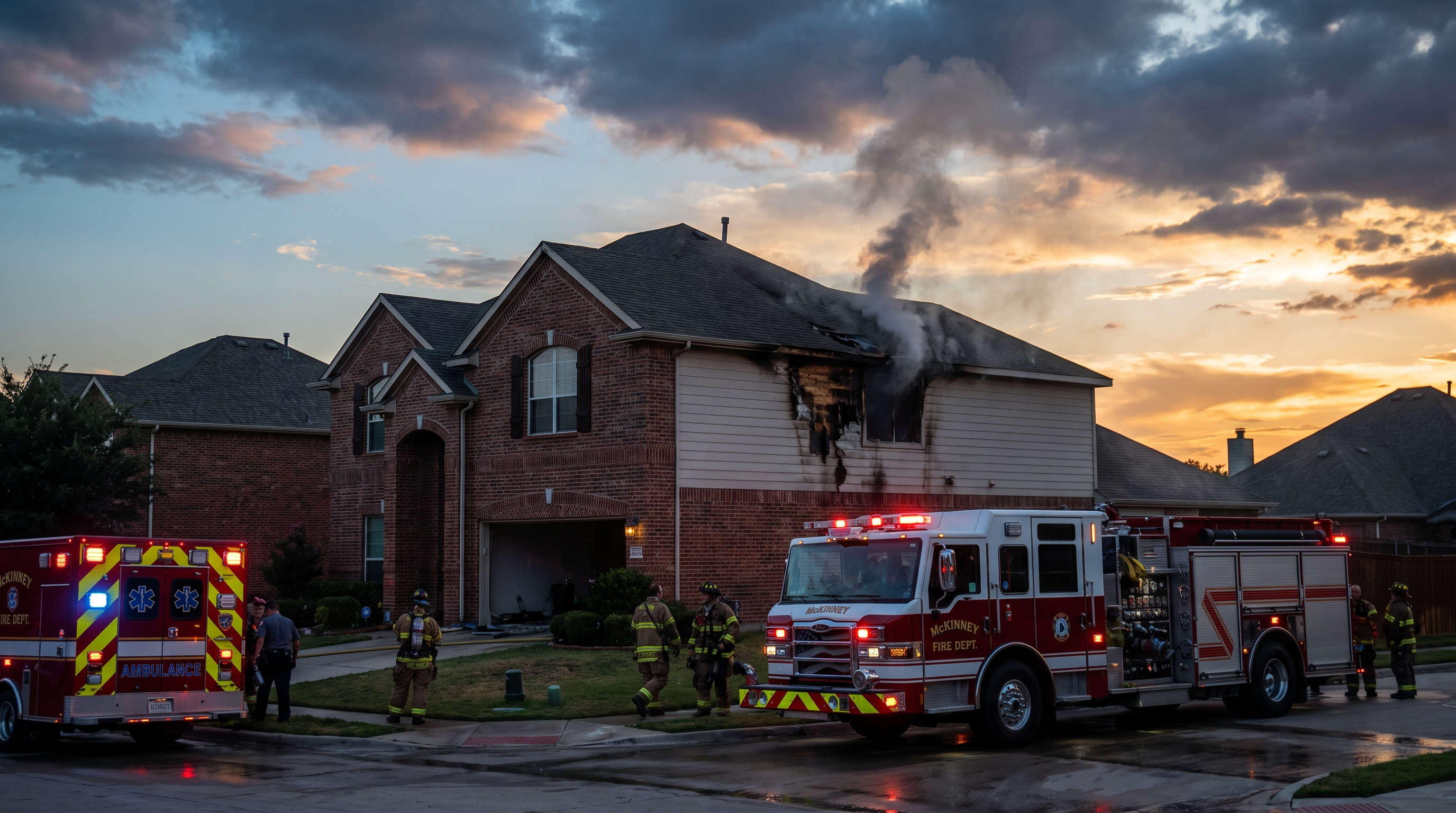
After a fire, homeowners often focus on the burned room while contents sit in smoke, soot, and humidity. Furniture, clothing, rugs, electronics, documents, artwork, photos, toys, and kitchenware may need separate handling from the structural repairs.
Contents restoration starts with inventory. Every damaged or potentially salvageable item should be photographed and categorized before disposal, cleaning, or storage. That record matters because personal property coverage is usually handled separately from the building portion of the claim.
McKinney families displaced after a fire may also have Additional Living Expense coverage for temporary housing and related costs while restoration work is underway. Contents pack-out and storage can help keep belongings protected while walls, floors, cabinetry, and HVAC systems are cleaned or rebuilt.
The right contents plan saves what can be cleaned, documents what cannot, and keeps the home from being overcrowded during structural restoration.
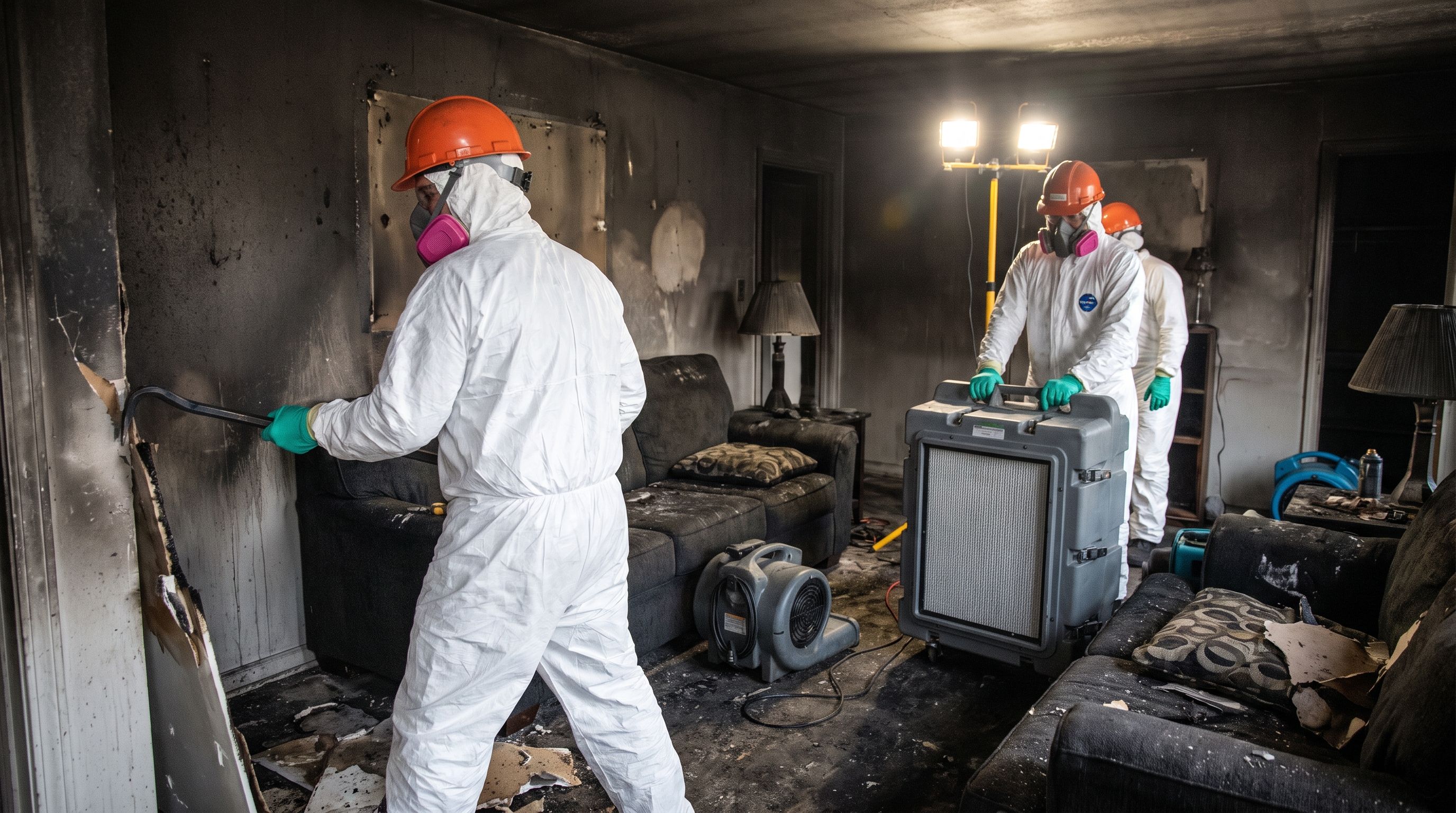
Contents work organizes personal property so salvageable items are cleaned and unsalvageable items are properly documented for the claim.
Items are photographed, listed, packed, and removed from damaged rooms when needed. Inventory records help the homeowner and carrier understand what was affected.
Textiles, furniture, hard goods, electronics, and keepsakes may require different cleaning methods. Smoke odor, soot residue, and water exposure determine whether an item can be restored.
Cleaned items can be stored while the home is dried, cleaned, or rebuilt. Once the work is complete, contents are returned in a controlled way to prevent recontamination.
Personal property claims can become stressful without documentation. Proper inventory helps separate salvageable, non-salvageable, and questionable items before the adjuster finalizes the file.
A pack-out gives contractors room to work and gives homeowners a cleaner path through the ALE and restoration process. It also keeps belongings away from ongoing dust, odor, and moisture.

Inventory damaged belongings before moving, cleaning, or throwing anything away.
Free — no obligations
Photograph and list affected contents by room, condition, and likely cleaning status.
Separate salvageable, questionable, and non-salvageable items for cleaning, storage, or claim review.
Use contents-specific cleaning methods for textiles, furniture, hard goods, electronics, and other affected belongings.
Store cleaned items safely until the home is ready, then return belongings after final cleaning or rebuild.