Serving Plano
Odor Elimination in Plano
Call us for a free odor elimination estimate
Serving Plano
Call us for a free odor elimination estimate
A fire-damaged home can look clean and still smell wrong. Smoke odor hides in porous drywall, insulation, attic spaces, ductwork, carpet backing, cabinetry, furniture, and belongings that absorbed combustion particles.
Odor elimination is not a candle, spray, or quick air freshener. It starts with removing charred materials, cleaning soot residue, treating contents, checking HVAC pathways, and identifying surfaces that need sealing or replacement.
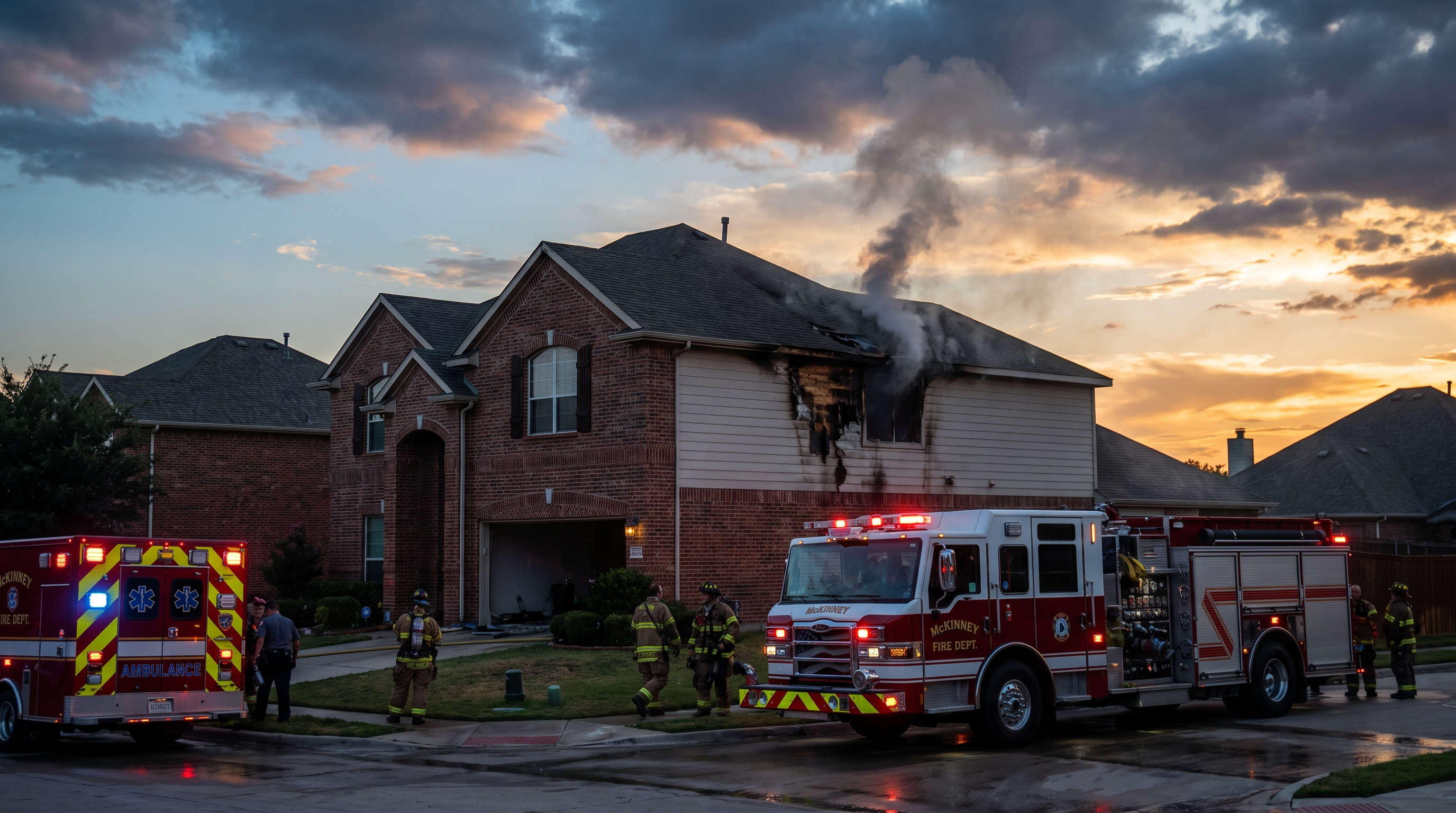
In McKinney homes with open kitchens and attic duct runs, smoke from a localized cooking fire can move farther than expected. Garage and electrical fires can also push harsh synthetic odors into living areas through shared walls, attic chases, and HVAC returns.
Depending on the source, deodorization may involve hydroxyl treatment, ozone in unoccupied spaces, thermal fogging, HEPA air filtration, duct cleaning, or encapsulation of structural materials after residue is addressed.
Plano includes many established neighborhoods where homes have been updated over time with newer kitchens, electrical systems, roofing, flooring, and HVAC equipment. After a fire, mixed materials and remodel history can affect how smoke, soot, and water damage appear from room to room.
Kitchen fires, appliance failures, garage incidents, and heating equipment problems can push smoke through Plano homes faster than the burn pattern suggests. Firefighting water also needs attention because older flooring transitions, cabinets, and wall cavities may trap moisture out of sight.
McKinney Fire Damage Restoration connects Plano property owners with licensed contractors for assessment, emergency protection, smoke and soot cleanup, drying, contents handling, odor elimination, and coordination with the insurance carrier.
Deodorization is planned after soot removal, debris removal, contents handling, and HVAC review. That sequence prevents treatment from masking a problem that will return later.
Some treatments require the home to be unoccupied, while others can operate during parts of the restoration process. The contractor selects methods based on safety, material type, and odor severity.
Start odor evaluation before smoke settles deeper into soft materials and air pathways.
Free — no obligations