Serving Fairview
Fire Damage Assessment in Fairview
Call us for a free fire damage assessment estimate
Serving Fairview
Call us for a free fire damage assessment estimate
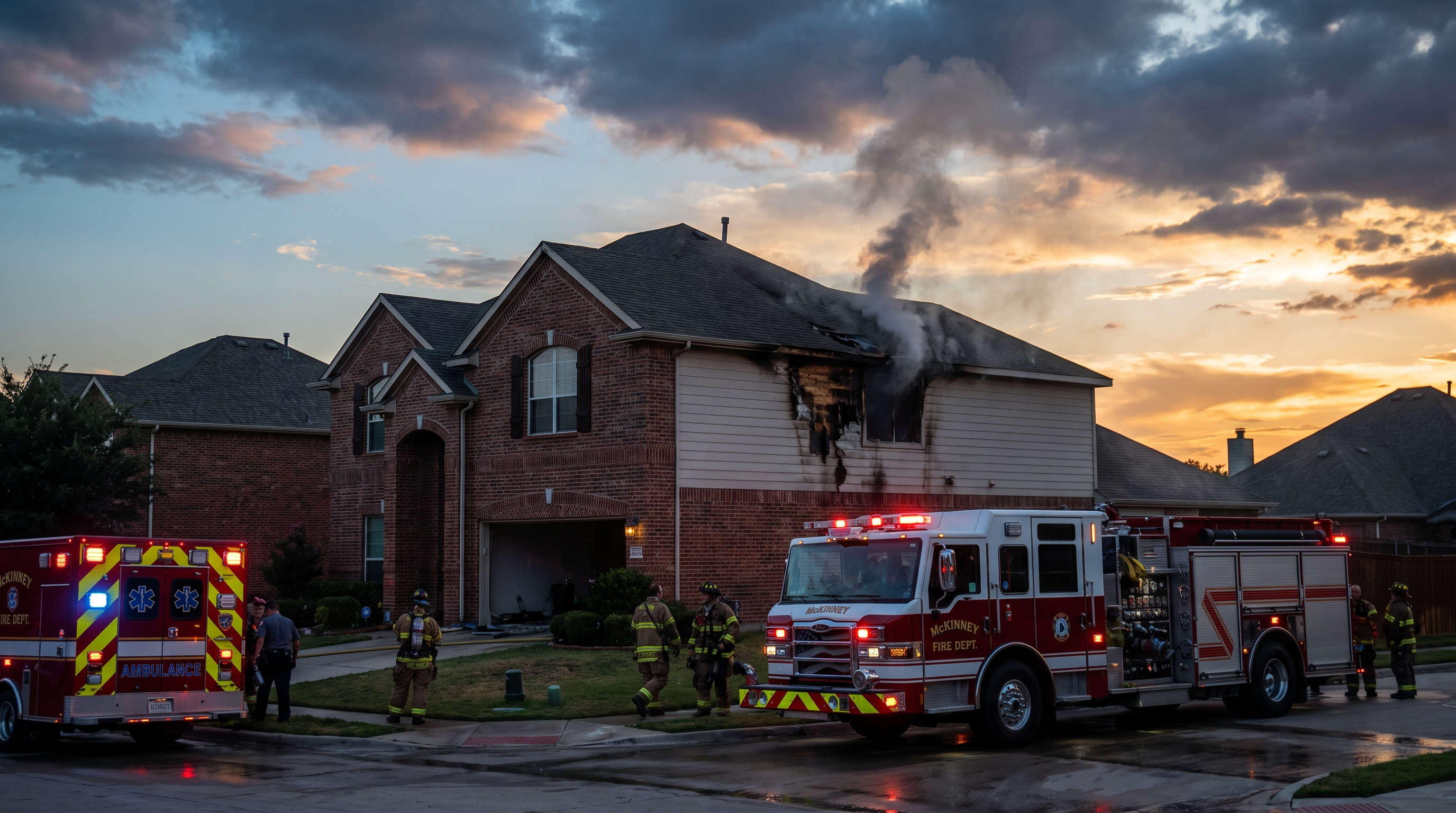
The first assessment after a fire sets the direction for the entire restoration job. In McKinney homes, that means checking the burn area, nearby rooms, attic spaces, wall cavities, HVAC runs, insulation, flooring edges, and areas where firefighting water may have pooled on the slab.
A proper assessment separates structural fire damage from smoke staining, soot residue, water damage, odor sources, and contents loss. That distinction matters because each category may be estimated differently by the insurance carrier, and contents coverage can be handled apart from the building repairs.
Documentation should happen before debris is removed or personal property is discarded. Photos, moisture readings, soot patterns, damaged-material notes, and a room-by-room inventory give the adjuster a clearer picture of the actual loss.
For homeowners dealing with State Farm, Allstate, USAA, Farmers, or another carrier, the assessment also helps prepare for the adjuster visit and any supplement that may be needed after the first scope is issued.
Fairview properties range from suburban homes near Allen and McKinney to larger lots with garages, outdoor cooking areas, and more exposed rooflines. After a fire, openings from broken windows, damaged doors, roof cuts, or burned siding need quick protection from wind and rain.
Smoke and soot can be deceptive in Fairview homes because a smaller fire may still affect attic spaces, HVAC ducts, closets, and soft contents. Firefighting water can also spread under flooring and around baseboards on slab foundations, creating moisture issues that are not visible right away.
McKinney Fire Damage Restoration helps Fairview homeowners connect with licensed contractors for emergency board-up, tarping, assessment, smoke cleanup, water mitigation, contents work, odor elimination, and insurance coordination.
The best time to find missed conditions is before the adjuster closes the first scope. Early contractor documentation can protect smoke, soot, water, and contents items that are easy to overlook.
Many local homes have open floor plans, attached garages, slab foundations, and attic HVAC routes. Those features change how smoke travels and where water hides after suppression.
Get the damage documented before cleanup or disposal removes key evidence.
Free — no obligations